Air pollution increases physical disability progression in older adults [View all]
By Dr. Priyom Bose, Ph.D.
Feb 16 2026
Reviewed by Lauren Hardaker
Tracking nearly 30,000 older Americans over eight years, researchers show that long-term exposure to common air pollutants may not only raise the risk of physical decline but also reduce the chances of recovery.
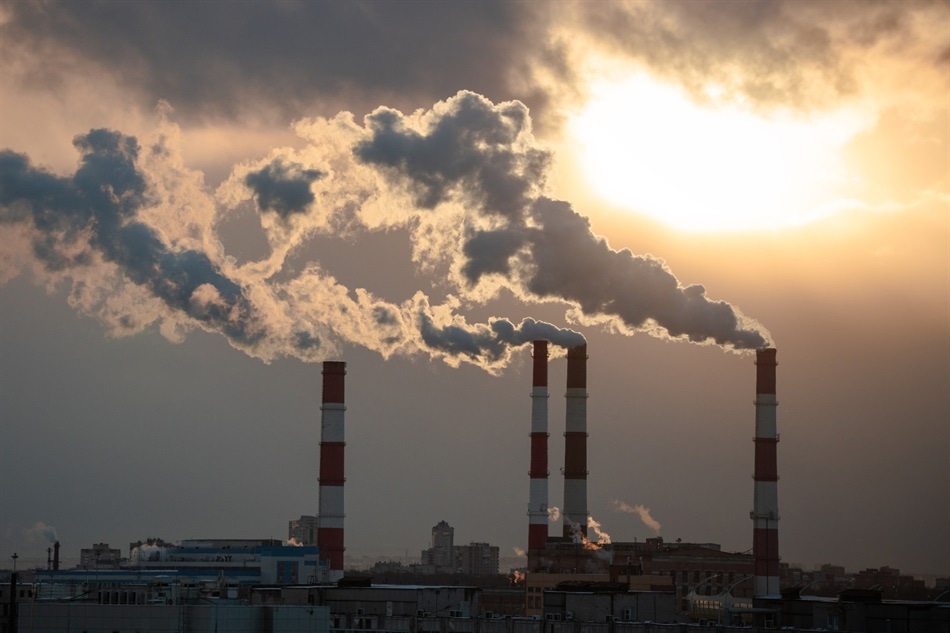
Smoke from factory pipe of heat station in the city in winter time.Study: Air Pollution and the Progression of Physical Function Limitations and Disability in Aging Adults. Image credit: DimaBerlin/Shutterstock.com
A recent study published in JAMA Network Open investigated how long-term exposure to air pollution influences the dynamic process of physical disability with aging. Long-term residential exposure to PM2.5, PM10-2.5, and NO2 was associated with a higher risk of worsening disability states, and PM2.5 was also associated with a lower likelihood of recovery from physical function limitations in older adults.
Understanding Air Pollution’s Role in Physical Disability
Life expectancy has increased worldwide, resulting in an expanded period of managing physical disabilities, which has significantly increased emotional and financial burdens. Older adults with physical disabilities require much more medical care and experience higher health care costs than those without. Considering these burdens, it is imperative to identify modifiable factors that influence physical disability in older adults, which could play a critical role in reducing or delaying disability.
Physical disability usually develops gradually, beginning with subtle health changes and chronic disease. As health worsens, people may develop functional limitations that can progress to difficulty with activities of daily living (ADL). This process isn't always linear; setbacks may be followed by periods of recovery, particularly after acute health events. Understanding disability as a continuum may help identify factors that worsen or improve it.
Long-term exposure to air pollutants such as particulate matter (PM), nitrogen dioxide (NO2), and ozone (O3) increases the risk of chronic diseases and contributes to physical limitations and disability. These pollutants can trigger inflammation, oxidative stress, and endothelial dysfunction, negatively affecting cardiovascular, respiratory, and metabolic health.
More:
https://www.news-medical.net/news/20260216/Air-pollution-increases-physical-disability-progression-in-older-adults.aspx

 = new reply since forum marked as read